No hands up
1 of 4
The same few hands
Ask a question, take a hand, and in most lessons you hear from the same two or three learners. The rest learn that if they wait, someone else will do the thinking. No hands up means you choose who answers, after everyone has had time.
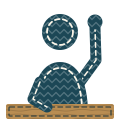
For exampleQuestion. Two hands go up. You take one. The others sit back.

Your jobChoose what you say or do at each of five moments.
The first lesson you try it · turn 1 of 5

a learner says“Do we put our hands up, then?”
What do you do?
Pick one.
Say it once. Ask, wait three seconds, name, come back.
Why this works in your room
When you choose who answers, everyone has to think.
For your learners: Nobody can sit a question out, because the name comes after the question. Quiet learners are heard without having to volunteer.
For you: You hear from the whole group, not the same three hands, so you know where the class really is.
Tell them once
Before the first question, first lesson
Say the lines under “Say this to the class”. Then do not explain it again.
Ask the whole room
No name yet
“Why does the cable size matter here?”
Wait three seconds
Count in your head
Do not rephrase it. Do not answer it yourself.
Name one learner
Not only the hands up
Say the name after the wait, not before. “Amir?”
Come back
Two questions later
Go back to anyone who said they did not know: “Amir, what would you add?”
When naming is too much
Soften it, do not drop it
Everyone writes first. Or think, pair, share. Or rehearse it with a partner.
Elsewhere in Bradford ThreadWorks
 Big 4A simple quiz in Forms, so every learner answers.Open Big 4 (opens in a new tab)
 WalkThrusEveryone thinking, everyone answering: cold calling and think, pair, share.Open WalkThrus (opens in a new tab)
Prompts to paste into Copilot
Two prompts to paste into Copilot. They are our own wording, not Big 4 training. Change what is in brackets, and leave out learners' names.
Questions anyone can be asked
Write ten questions on [topic] for [level] learners, from easy to hard, that I can ask any learner without hands up. Each should take under 20 seconds to answer. Mark the three that most need three seconds of thinking time before anyone answers.
Think, pair, share
Give me three think, pair, share questions on [topic] for [level] learners. Each should have more than one good answer. Add one follow-up question for each that I can ask a second learner.
No hands up
Black and Wiliam describe teachers who stopped taking hands and gave thinking time. More learners answered, answers got longer, and the teachers learned much more about what the class understood.
Black and Wiliam, Working Inside the Black Box (opens in a new tab)Why three seconds
Rowe found that teachers waited about a second after a question. When they were trained to wait three, answers got longer and more learners joined in.
Rowe, 1986, Wait time: slowing down may be a way of speeding up (opens in a new tab)How sure is this?
Fairly, for the pattern. The wait time research is long-standing. For no hands up as a named routine, the evidence is mostly teachers' accounts, not a controlled trial. The sentence to say is our wording and has not been tested with learners.
No source claimed